
You will still see your ROAS every week, the way you do now. Alongside it we run the numbers that decide whether a D2C brand lasts: what a customer costs, what they are worth over a year, and what is left after returns, shipping and discounts. Acquisition, creative, retention and measurement for D2C brands, reported in the language you already use and steered, together, towards LTV, CAC and contribution margin, so the growth compounds.
A D2C buyer is found on the feed and lost at the doorstep as often as at the checkout. The funnel has to reach a delivered, kept, repeated order.
A reel, a creator, a screenshot sent to a friend. Creative is the targeting now: the brand is judged in three seconds, dozens of times, before anyone visits the site.
Cart, coupon, prepaid or cash on delivery. Every point of conversion lift makes every ad rupee permanently cheaper, and the payment choice made here decides how much of the order survives delivery.
Returned to origin, refused, exchanged. An order that comes back was never revenue, and a funnel that stops counting at the checkout is flattering itself.
The margin lives here. The customer who buys again cost nothing to acquire, which is why lifetime value, not the first-order ROAS, decides what a brand can afford to pay for a customer. The brands that win D2C engineer the repeat instead of hoping for it.
Mechanics for the online-first P&L, aimed at the long-term picture: creative volume, checkout economics, delivery reality and the repeat cycle, run as one line and judged on LTV, CAC and contribution margin.
Creator content, UGC and static concepts tested at volume, winners scaled and losers retired every week. In D2C the limiting factor is rarely the media buy; it is how many good ads you can make.
Acquisition cost set against what a customer is worth over a year, and return on spend after RTO, shipping, payment fees and discounts, mapped to CM1 and CM2. Campaigns are optimised to the customers who make money over time, and ROAS becomes what it should be: one input, read monthly.
Prepaid nudges, cash-on-delivery verification, pincode-level suppression and address checks built into the funnel, so fewer orders come back and the ones that ship are the ones that stay.
Landing pages, offers and payment flows tested as hard as the ads, because every point of conversion makes the whole account cheaper.
WhatsApp and email flows timed to how your customers actually re-buy: replenishment windows, occasion triggers, win-backs, and first access for your best customers. Every repeat lifts LTV, and every point of LTV raises what you can afford to spend to win the next customer.
Brand demand built on your own store, with marketplace and quick-commerce listings fed by it instead of competing with it, so the margin stays yours.
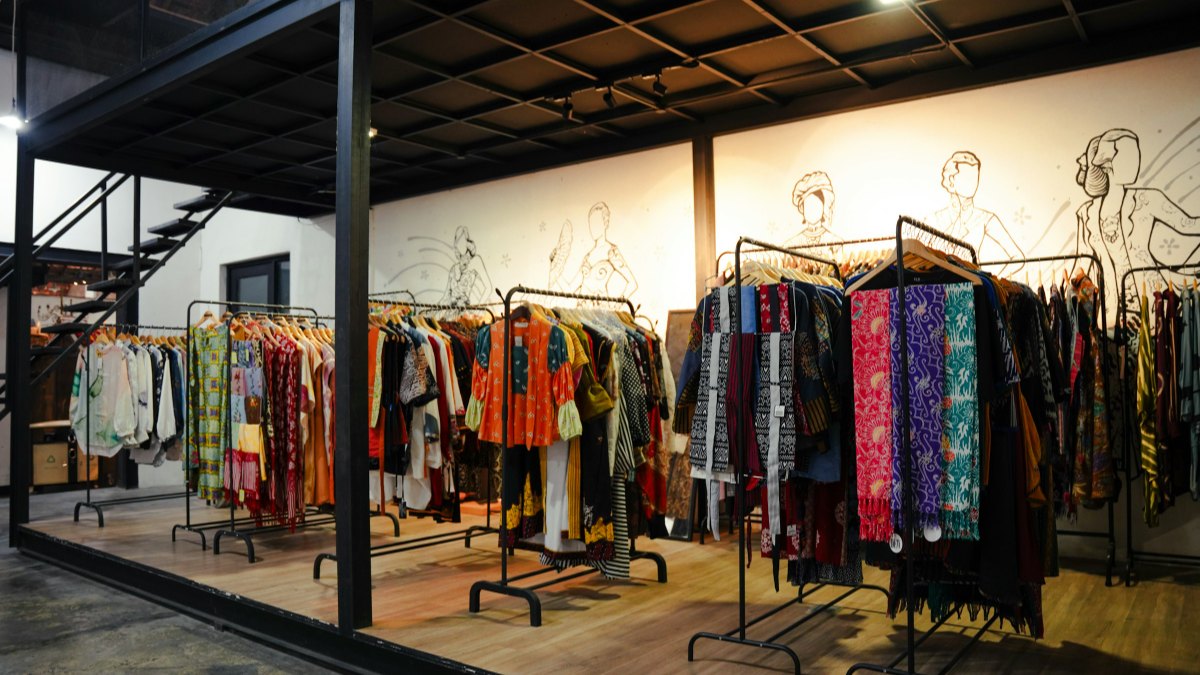 Case №003 · D2C · Store + online
Premium womenswear, D2C with a flagship store: five times the monthly sales with ROAS held near 5x, and more than half of revenue from customers who came back.
Read The Pink Moon case → Our WorkReal estate, jewellery, fashion, consumer apps and B2B, in the client's own numbers.
See all the work →Two lines on the outcome you are after. That is enough to start.